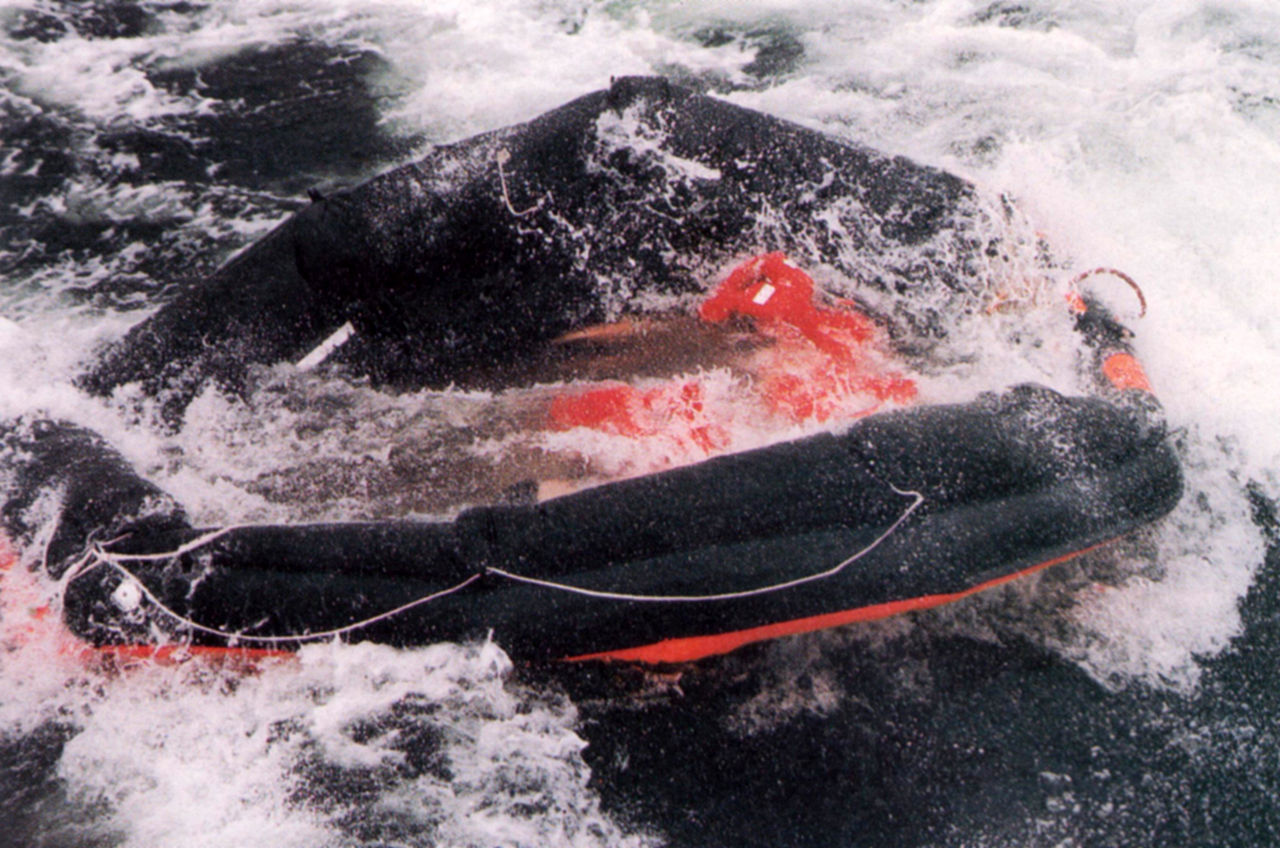
The Estonia Disaster: Unraveling the Lingering Questions Surrounding a Baltic Tragedy
The sinking of the MS Estonia on September 28, 1994, stands as one of the 20th century's most devastating maritime disasters, claiming the lives of 852 people. Only 137 individuals survived the harrowing night, forever etching the event into the collective memory of Estonia, Sweden, and Finland. As the ferry plunged into the icy waters of the Baltic Sea, it left behind a trail of grief, unanswered questions, and a persistent shadow of doubt over the official explanation of what exactly constituted the "Estonia Ungl��ck" – the Estonia disaster. Despite numerous investigations, many survivors, relatives, and experts continue to challenge the findings of the original report, fueling calls for further transparency and accountability.
A Night of Terror: The Catastrophe Unfolds
The MS Estonia, a large car and passenger ferry, departed Tallinn, Estonia, on the evening of September 27, 1994, bound for Stockholm, Sweden. On board were 989 passengers and crew, along with numerous vehicles. The Baltic Sea was experiencing a severe autumn storm, but such conditions were not uncommon for the route, and the vessel was deemed seaworthy.
However, in the early hours of September 28, around 1:00 AM, a series of unsettling sounds, described by some as "screeching metal," echoed through the ship. Initially, an inspection of the bow, where the critical bow visor allowed access to the car deck, reportedly revealed nothing amiss. Yet, shortly thereafter, the situation rapidly deteriorated. The bow visor, a crucial part of the ship's integrity, detached, leaving the bow ramp exposed. Massive amounts of seawater flooded the car deck, leading to a catastrophic list to starboard that quickly reached 30 degrees or more. The vessel, overwhelmed by the ingress of water, capsized and sank within approximately one hour. The speed of the sinking left little time for evacuation, contributing significantly to the tragic loss of life.
The immediate aftermath was chaotic, with rescue efforts hampered by the severe weather and the sheer scale of the disaster. The desperate calls for help and the struggle for survival in the frigid waters became a defining, heartbreaking aspect of the "Estonia Unglück."
The Official Inquiry: JAIC's Controversial Findings
In response to the unprecedented loss, Sweden, Estonia, and Finland swiftly formed a joint investigation commission, the Joint Accident Investigation Commission (JAIC). Tasked with determining the cause of the disaster, the JAIC embarked on a three-year intensive investigation. Their official final report, published in 1997, concluded that the primary cause of the sinking was the failure of the bow visor's locks and hinges, which led to its detachment. Subsequently, the bow ramp opened, allowing thousands of tons of water to flood the car deck, making the ship unstable and causing its rapid capsize.
However, the JAIC's report was met with immediate and significant criticism. Even before its public release, several commission members reportedly resigned, hinting at internal dissent. Following its publication, relatives of the victims and survivors voiced strong objections, feeling that the report did not fully address their concerns or provide satisfactory answers. The Meyer Werft, the German shipyard that built the Estonia, also publicly criticized the report, disputing some of its technical conclusions regarding the design and maintenance of the vessel.
For many, the JAIC's findings felt incomplete, or worse, like an attempt to avoid assigning responsibility for the hundreds of lives lost. Rumors of governmental cover-ups and the suppression of the "true" cause of the "Estonia Unglück" began to circulate, persisting stubbornly in the public consciousness.
Doubts Persist: Calls for Re-evaluation and New Investigations
The skepticism surrounding the JAIC report did not diminish with time. Nine years after its initial release, in 2006, the Estonian Prosecutor General issued a report expressing considerable doubts about the JAIC's conclusions, specifically regarding the sequence of events and the causes of the bow visor failure. This official challenge from one of the affected nations reignited calls for a new, comprehensive investigation.
Responding to the mounting pressure, the Swedish government decided to re-examine the tragedy. Two international consortia were commissioned to reconstruct the sinking through sophisticated computer simulations, utilizing the same data available to the original JAIC investigators. The hope was that advanced technology could provide definitive answers and either confirm or refute the initial findings.
Surprisingly for some, these subsequent computer simulations largely corroborated the JAIC's original conclusions. Professor Krüger, an engineer involved in these later analyses, affirmed that "in principle, they were quite right: the bow visor fell off because it was overloaded and poorly maintained." He further explained that the ship then "ran over the visor – and massive water ingress occurred due to the heavy seas." This, he explained, led to the critical 30-degree list, a point at which, he grimly noted, "no one gets out alive." While technically validating the initial findings, these confirmations did little to fully quell the lingering doubts for many. The enduring emotional toll and the desire for absolute certainty often clash with complex technical explanations, especially when initial trust has been eroded.
The Impasse: Investigating the Wreck and the Exclusion Zone
Despite the recurring doubts and the sophisticated simulations, a fundamental obstacle continues to hinder any definitive new physical investigation of the Estonia's wreck: the exclusion zone. Since 1995, a "Bannmeile" (exclusion zone) has been enforced around the disaster site, prohibiting unauthorized diving or access to the wreck. This agreement was signed by most Baltic Sea riparian states, with Germany being a notable exception.
This exclusion zone means that while computer models can re-evaluate existing data, direct physical examination of the wreck for new evidence remains virtually impossible. Professor Krüger himself lamented this limitation, stating, "If one could wish that it were Christmas in heaven, one would of course have obtained information – by diving down again and looking at the car deck." The inability to conduct fresh, unhindered underwater investigations leaves a void that no simulation, however advanced, can fully fill for those who believe critical evidence might still lie hidden beneath the waves. This legal and practical barrier significantly complicates the quest for a universally accepted closure to the
Estonia tragedy and new investigations.
Beyond the Technical: The Quest for Accountability and Lessons Learned
The "Estonia Unglück" represents more than just a technical maritime failure; it symbolizes a profound national tragedy for Estonia and Sweden, and a deep, enduring wound for the survivors and victims' families. The struggle for definitive answers is often intertwined with the pursuit of accountability – for any potential negligence in maintenance, design flaws, or shortcomings in rescue operations.
The rapid sinking of the Estonia highlighted critical vulnerabilities in maritime safety protocols, particularly concerning bow doors and ramp systems. While the official reports focused on the bow visor, the sheer speed of the sinking also brought attention to the importance of watertight compartments and damage stability. Maritime safety regulations have since been tightened globally, with a renewed focus on ensuring the integrity of Ro-Ro (roll-on/roll-off) ferries, which allow vehicles to drive directly onto the ship. The disaster underscores the importance of rigorous maintenance schedules, robust design standards, and swift, transparent investigations in ensuring public trust and preventing future catastrophes. You can learn more about the specifics of the mechanical failure and its impact in
Estonia Disaster: Bow Visor Failure and Rapid Sinking Explained.
Ultimately, the MS Estonia disaster serves as a stark reminder of the unforgiving power of the sea and the immense responsibility that comes with ensuring passenger safety. The lingering doubts surrounding the official reports continue to fuel public discourse, emphasizing the critical need for absolute transparency and thoroughness in accident investigations, especially when dealing with tragedies of such immense human cost.
Conclusion
The sinking of the MS Estonia remains a poignant and complex chapter in maritime history. While official investigations, corroborated by later simulations, point to a catastrophic failure of the bow visor as the primary cause of the "Estonia Unglück," a significant portion of the public, including survivors and families, harbors persistent doubts. The inability to conduct further physical examinations of the wreck due to the exclusion zone means that these doubts, however technically challenged, are unlikely to be fully resolved. The tragedy continues to underscore the critical importance of robust maritime safety, transparent inquiry processes, and the profound human need for clear, undisputed answers in the face of immense loss. The legacy of the Estonia disaster is a constant call for vigilance and a testament to the enduring quest for truth and accountability.