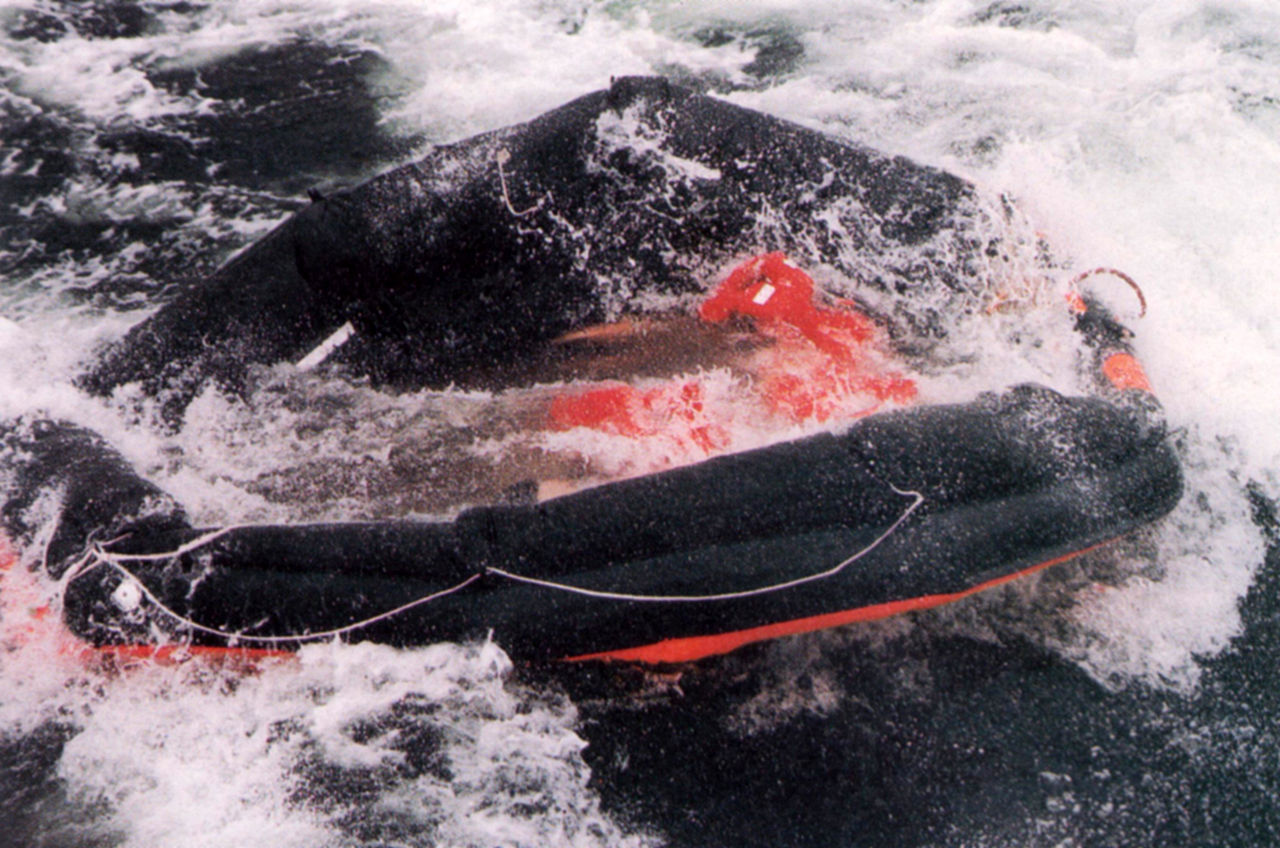
The Estonia Disaster: Unraveling the Catastrophe of the Baltic Sea
The night of September 27, 1994, marked a profound tragedy on the Baltic Sea, as the passenger ferry MS Estonia embarked on what would become its final voyage. Bound from Tallinn, Estonia, to Stockholm, Sweden, with 989 souls on board, the ship encountered severe storm conditions typical for the time of year. Just after 1:00 AM on September 28, a chilling series of events unfolded, leading to the rapid sinking of the vessel and the loss of 852 lives. This maritime disaster, known in German as the Estonia Unglück, remains one of the 20th century's deadliest, surpassed in Europe only by the Titanic in terms of civilian vessel casualties.
For survivors and the bereaved, the immediate aftermath was dominated by agonizing questions: How could such a modern ship sink so quickly? Could more lives have been saved? To seek answers, Sweden, Estonia, and Finland established a joint investigative body, the Joint Accident Investigation Commission (JAIC), whose findings would ultimately spark decades of debate and lingering doubts.
The Fateful Voyage and Bow Visor Failure
The MS Estonia, a Roll-on/Roll-off (Ro-Ro) ferry, departed Tallinn at 7:00 p.m., carrying not only passengers and crew but also vehicles on its expansive car deck. The Baltic Sea was rough, with significant waves and strong winds. While challenging, these conditions were not considered unusual enough to halt operations for the scheduled ferries that evening.
Around 1:00 a.m., passengers and crew reported hearing loud metallic noises – described as screeching or banging – originating from the bow of the ship. Despite initial checks, no immediate cause was identified or apparent to those on duty. However, the sounds were harbingers of a catastrophic failure. The ferry's crucial weakness lay in its bow visor, a large, upward-opening door that allowed vehicles access to the car deck. This visor, along with its ramp, was designed to protect the integrity of the ship's forward section from the open sea.
The subsequent investigations, notably reaffirmed by later computer simulations, concluded that the bow visor’s locking mechanisms were subjected to extreme stress by the relentless waves. The report pointed to a combination of factors: the visor being significantly overloaded by the force of the sea and, crucially, being poorly maintained. Over time, metal fatigue and wear had weakened the securing points. Under the immense strain of the storm, the locking devices failed one by one, ultimately leading to the complete detachment of the bow visor.
Rapid Sinking: A Cascade of Catastrophe
Once the bow visor broke away, it tore open the ramp behind it, creating a gaping hole directly into the ship's main car deck. This was the critical turning point. The MS Estonia, now unprotected at its bow, began to "swallow" massive amounts of seawater with each wave. The car deck, designed to be dry, rapidly filled with thousands of tons of water.
The ingress of water was overwhelming and incredibly fast. Within minutes, the ship developed a severe list to starboard, reaching an alarming 30 degrees. This extreme tilt made navigation impossible, rendered machinery inoperable, and, most critically, trapped many passengers and crew members within their cabins or made movement on deck extremely difficult. The speed of the list also prevented a coherent response from the crew and severely hampered any chance of launching lifeboats effectively. Engineer Professor Krüger, involved in later analyses, starkly described the situation: "In dem Augenblick kommt da keiner mehr lebend raus" (At that moment, nobody gets out alive). The Estonia capsized and sank within approximately one hour of the initial failure, leaving little time for rescue efforts.
The JAIC Report and its Controversial Findings
In the wake of the disaster, the Joint Accident Investigation Commission (JAIC) was established by the governments of Sweden, Estonia, and Finland. For three years, experts diligently investigated the wreckage and evidence. However, even before its official report was published in 1997, controversy began to brew. Several commission members reportedly resigned, signaling internal disagreements. Following its release, the report faced significant criticism, particularly from the victims' families, who felt it didn't fully explain the tragedy or assign adequate responsibility. Even the shipbuilder, the Meyer Werft shipyard, raised objections to certain conclusions.
The core finding of the JAIC report was that the severe weather conditions caused the bow visor's locking mechanisms to fail, leading to its detachment. This allowed water to flood the car deck, causing the rapid capsize and sinking. While technically sound, many critics, including the Estonian Prosecutor General years later, expressed profound doubts about the report's comprehensiveness and transparency. There were persistent rumors that the governments involved sought to conceal the true reasons behind the catastrophe, striving to avoid assigning blame. For a deeper dive into these persistent questions, you can read more at Estonia Ferry Sinking: Doubts Persist Over Official Report.
Re-examinations and the Enduring Mystery
The controversy surrounding the JAIC report continued for years. In 2006, the Estonian Prosecutor General's report highlighted significant doubts, prompting the Swedish government to initiate a new investigation. This effort involved two international consortia tasked with reconstructing the sinking through advanced computer simulations, utilizing the same data points as the original JAIC commission.
Remarkably, after extensive analysis, these independent institutes arrived at the same fundamental conclusion as the JAIC a decade earlier. Professor Krüger, a participant in these later analyses, confirmed, "Im Prinzip hatten sie damals schon ganz recht: Das Bugvisier ist abgefallen, weil es überlastet und außerdem schlecht gewartet war" (In principle, they were quite right back then: the bow visor detached because it was overloaded and also poorly maintained). The simulations confirmed the sequence: bow visor failure, the ship overrunning the detached visor, massive water ingress through the open ramp, and the rapid list that led to the sinking. From a purely technical standpoint, the mechanism of the Estonia's sinking appeared to be consistently explained.
However, a significant hurdle prevented any physical re-examination of the wreck itself. Since 1995, an "exclusion zone," or "Bannmeile," has been enforced around the disaster site. This agreement, signed by all Baltic Sea littoral states except Germany, prohibits any unauthorized diving or investigative activities at the wreck. This decision was largely driven by a desire to preserve the site as a tomb for the victims. While understandable from a humanitarian perspective, it has frustrated researchers and those seeking absolute certainty. As Professor Krüger lamented, "If one could wish for Christmas in heaven, one would of course have obtained information – by diving down again and looking at the car deck." This inability to conduct new, direct physical inspections of the wreck ensures that some questions, particularly those related to finer details or alternative theories, remain open. For more on the challenges of investigating the site, explore Estonia Tragedy: Why New Investigations Face the Exclusion Zone.
Lingering Questions and the Quest for Accountability
Despite the technical clarity achieved by multiple investigations, the Estonia disaster continues to evoke strong emotions and a lingering sense of unease, particularly in Sweden and Estonia, where the loss of life was immense. The questions of accountability, the transparency of the initial investigation, and the rationale behind the exclusion zone remain subjects of intense debate.
The catastrophe served as a stark reminder of the critical importance of robust maritime safety regulations, meticulous maintenance, and resilient ship design. Ro-Ro ferries, in particular, saw significant design modifications and operational changes in the aftermath to prevent similar vulnerabilities. While the technical explanation for the rapid sinking largely points to the catastrophic bow visor failure and subsequent water ingress, the human aspect – the quest for justice and closure for the 852 victims – ensures that the memory of the Estonia Unglück will continue to be a significant chapter in maritime history, reminding us of the fragility of life at sea and the profound impact of such a devastating event.